The best gut health supplements in the UK, checked against the evidence

Gut health products promise a lot. We checked every ingredient against published research, worked out what each one costs per day, and flagged who should check with a GP or pharmacist first.

5 products reviewed. Updated .

Our picks at a glance

  1. FOCUL Gut + Mind: Best support for gut-brain axis9.1, £1.17/day
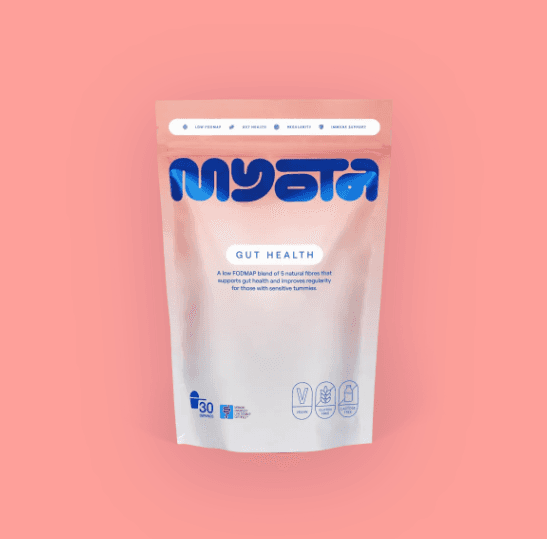
  2. Myota Gut Health Fibre Blend: Best fibre blend8.2, £1.67/day
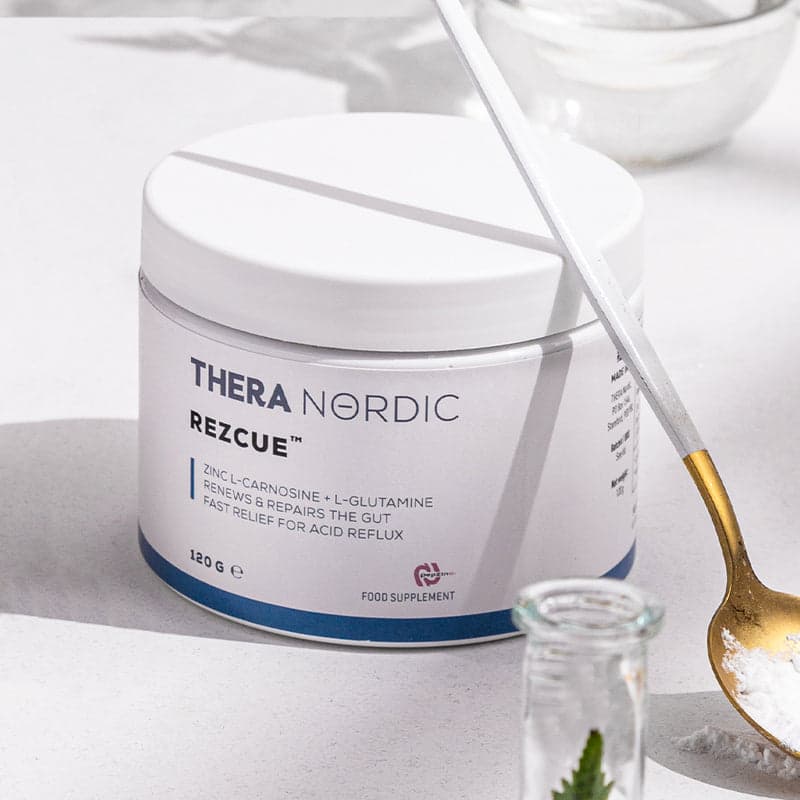
  3. THERA Nordic REZCUE: Best zinc carnosine powder8.1, £1.25/day
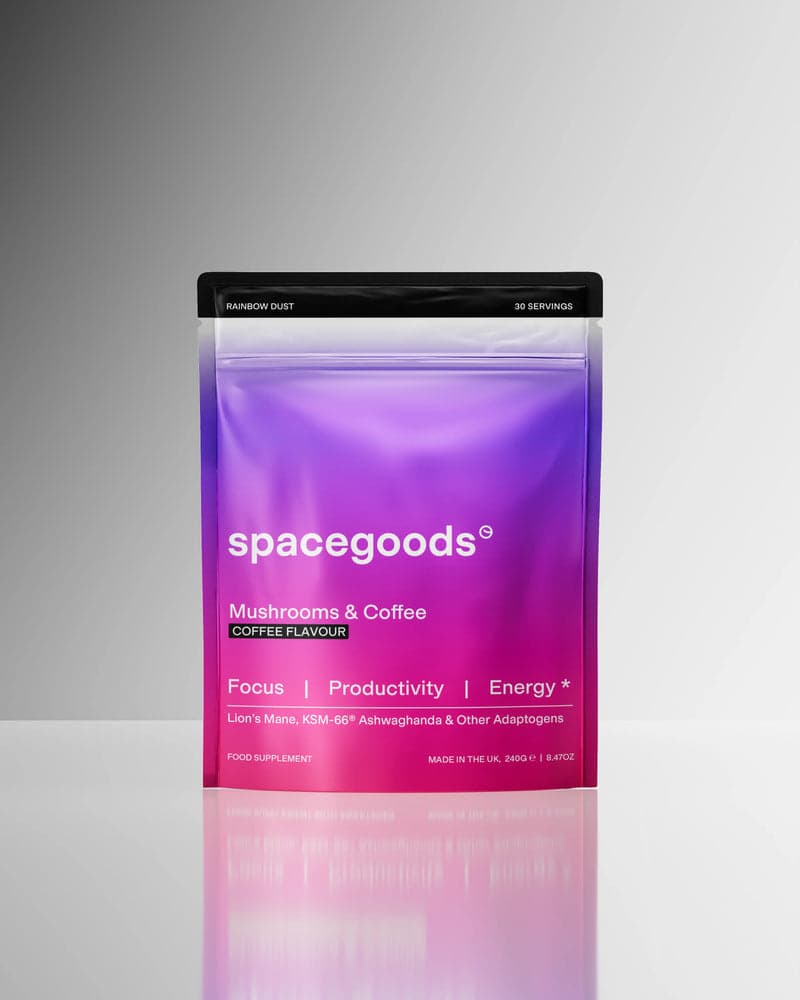
  4. Spacegoods Rainbow Dust: Mainly a focus drink, with some fibre5.2, £1.63/day
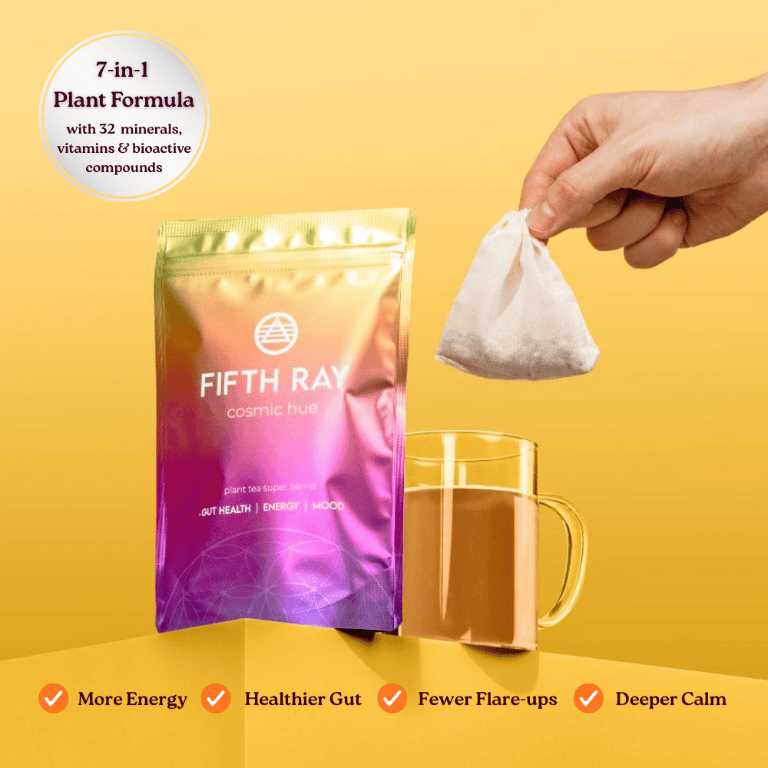
  5. Fifth Ray Cosmic Hue: Herbal tea option4.5, 97p/day

Our gut health supplements ranking

Ranked using our evidence-led score. How we ranked them.

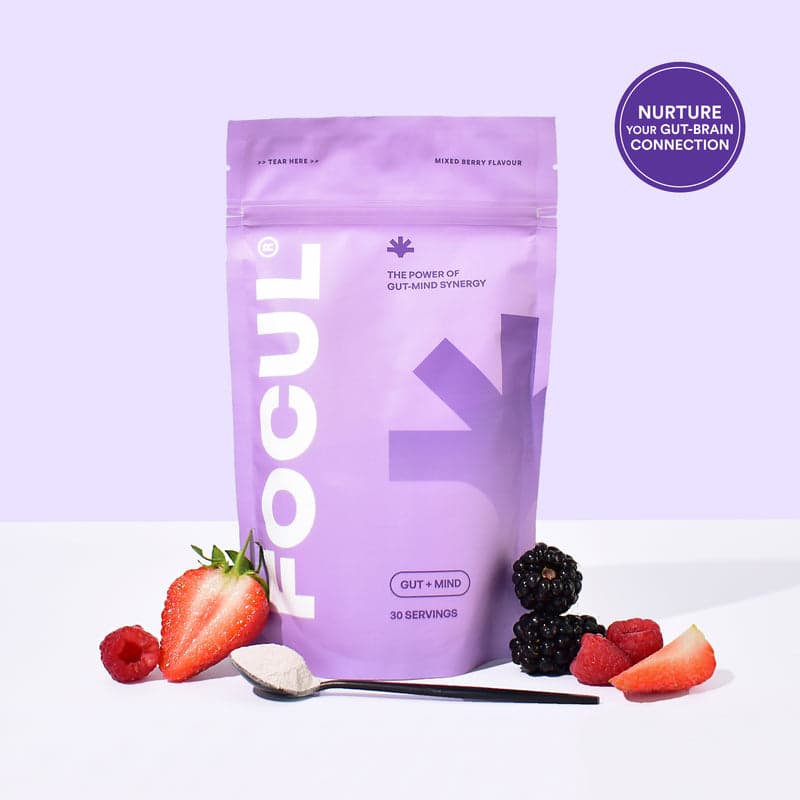
  1. FOCUL Gut + Mind powder pack

    1

    Best support for gut-brain axis

    FOCUL Gut + Mind

    Includes ingredients that support the crucial gut-brain axis. Its standout ingredients are PHGG fibre, which has evidence for IBS, and DGL extract, which may support the soothing of the oesophagus and the protective mucosal lining of the digestive tract.

    Best for: People who experience IBS, reflux and heartburn: PHGG fibre has evidence for IBS, DGL may help soothe the oesophagus, and support for the gut-brain connection may help ease stress, which can play a part in reflux; People who want one daily powder aimed at both digestion and the gut-brain side

    • Full label: every amount stated, with extract ratios for DGL, lion's mane and ginseng
    • PHGG is a soluble fibre that one branded form has had certified low-FODMAP
    • Comes in just one flavour (Mixed Berry)
    Our evidence score
    9.1/10
    Price per day
    £1.17
    Form
    Powder
  2. Myota Gut Health Fibre Blend powder pack

    2

    Best fibre blend

    Myota Gut Health Fibre Blend

    A gentle, Monash-certified low FODMAP fibre blend led by PHGG, a sensible daily top-up for sensitive guts, but at £50 for one bag as a one-time purchase it costs considerably more than FOCUL Gut + Mind (£34.99).

    Best for: People with a sensitive gut or IBS who want more fibre without high-FODMAP fibres such as inulin; Adults who eat well under the 30 g a day fibre target and want an easy top-up

    • Five fibres, led by PHGG, a gentle prebiotic fibre studied in people with IBS
    • Certified low FODMAP by Monash University
    • Individual fibre amounts aren't disclosed
    Our evidence score
    8.2/10
    Price per day
    £1.67
    Form
    Powder
  3. THERA Nordic REZCUE powder pack

    3

    Best zinc carnosine powder

    THERA Nordic REZCUE

    A simple, fully labelled two-ingredient powder with zinc carnosine at the amount used in small UK gut studies, though it hasn't been tested for reflux and zinc carnosine's novel-food safety review in Europe is unresolved.

    Best for: People who want a simple, fully labelled two-ingredient formula; Anyone interested in zinc carnosine at the amount used in small UK gut studies

    • Simple formula: two active ingredients, both fully labelled
    • Zinc carnosine at the amount used in small placebo-controlled UK gut studies
    • Zinc carnosine is classed as a novel food: EFSA couldn't confirm its safety in 2022 or 2026, and we found no GB authorisation
    Our evidence score
    8.1/10
    Price per day
    £1.25
    Form
    Powder
  4. Spacegoods Rainbow Dust powder pack

    4

    Mainly a focus drink, with some fibre

    Spacegoods Rainbow Dust

    Mainly a caffeinated focus drink, with a meaningful caffeine dose and 300 mg of KSM-66 ashwagandha. Its gut fibre feels like an add-on: it appears in the coffee flavours only, in a modest amount, and it costs more per day than FOCUL Gut + Mind.

    Best for: Coffee drinkers who want a lower or steadier caffeine dose; People who want KSM-66 ashwagandha in a drink rather than a capsule

    • Every active ingredient has a stated dose per serving
    • Extract ratios and fruiting-body sources are named
    • Caffeinated: 80 to 120 mg a serving in every flavour except Decaf
    Our evidence score
    5.2/10
    Price per day
    £1.63
    Form
    Powder
  5. Fifth Ray Cosmic Hue tea pack

    5

    Herbal tea option

    Fifth Ray Cosmic Hue

    An enjoyable, caffeine-free herbal tea that may offer gentle support, built around fennel and marshmallow root, two herbs with recognised traditional use for mild digestive discomfort; the amount of each herb isn't published, and several herbs need care in pregnancy, autoimmune conditions and with some medicines.

    Best for: People who want a caffeine-free herbal drink and enjoy fennel-style teas; Anyone wanting a gentle daily tea ritual for occasional mild bloating, at a lower daily cost than most gut powders

    • Caffeine-free and vegan
    • Fennel and marshmallow root are recognised by the European Medicines Agency for traditional use in mild digestive discomfort
    • The amount of each herb per cup isn't published
    Our evidence score
    4.5/10
    Price per day
    97p
    Form
    Tea

Side-by-side comparison

Gut health supplements compared
ProductScoreEvidenceDosePer dayFormTesting
FOCUL Gut + Mind9.19.08.5£1.17PowderIndependently tested by Eurofins Scientific and Romer Labs®, two well-known food testing laboratories, and certified gluten-free (under 5 ppm). As with Myota, we didn't find a public certificate of analysis on the brand's website or in wider searches.
Myota Gut Health Fibre Blend8.28.58.0£1.67PowderCertified low FODMAP by Monash University, which is an independent FODMAP test rather than a purity check. Myota says its blends are tested during production for gluten, contaminants and heavy metals; we didn't find a public certificate of analysis.
THERA Nordic REZCUE8.17.88.0£1.25PowderThe brand says products are made in GMP-compliant UK facilities and laboratory tested. It doesn't name a testing lab or publish certificates of analysis.
Spacegoods Rainbow Dust5.24.55.5£1.63PowderThe brand says it is '3rd party lab tested' and that it tests for heavy metals and allergens, but we found no published certificates or batch results.
Fifth Ray Cosmic Hue4.54.02.597pTeaNo third-party testing or certificates found on the brand's site. The reusable tea bag is described as organic cotton; we found no organic certification for the herbs themselves.

What counts as a gut health supplement

"Gut health" isn't a regulated term, so products sold under it vary a lot. In this guide you'll find fibre blends, powders built around amino acids like L-glutamine, zinc carnosine drinks, mushroom and caffeine "focus" blends with some fibre added, and herbal teas. They do different jobs, so compare what's inside rather than the label on the front.

What to look for

Every dose on the label. Products that list each ingredient with its amount let you see exactly what you're getting, and we score full labels higher. A "proprietary blend" that only gives a total makes this harder to judge.

The right fibre for you. Inulin, FOS and GOS feed gut bacteria but are high in FODMAPs (fermentable carbohydrates that can trigger bloating and wind, especially in IBS). Partially hydrolysed guar gum (PHGG) and psyllium are gentler and are better options if you have IBS.

Clear, realistic claims. In the UK, supplements can use approved health claims, such as "calcium contributes to the normal function of digestive enzymes", so wording like this is a good sign. Look for brands that explain in plain terms what each ingredient is there for, and think of a supplement as everyday support alongside a balanced diet rather than a quick fix. Be wary of brands that advertise their products for autoimmune conditions, or for Crohn's disease or ulcerative colitis. These conditions need care from your GP or IBD team, and a supplement should never replace prescribed treatment.

Fibre first

If you're not getting the NHS-recommended 30 g of fibre a day (most UK adults get around 20 g), more fibre from food is the cheapest, best-evidenced step for gut health. A fibre supplement can fill the gap. Plain psyllium husk costs pennies a day; blends cost more but may be easier to take. Increase slowly over a couple of weeks and drink plenty of water.

Who should be careful

Speak to a GP or pharmacist before trying a gut supplement if you take regular medicines, are pregnant or breastfeeding, have a long-term condition such as Crohn's disease, ulcerative colitis or coeliac disease, or have symptoms that are new, severe or getting worse. Several herbal ingredients, including echinacea, astragalus, cat's claw and ashwagandha, can interact with medicines or aren't advised in pregnancy.

How we chose

We reviewed the gut health products UK shoppers ask about most, read each brand's full UK label, checked each ingredient's dose against published human research, and looked for independent testing and clear, honest labelling. Each product gets the same four scores: evidence, dose, quality and testing, and value. Read how we review for the full method.

Questions people ask

What is the best gut health supplement in the UK?
It depends on what you want it for. For regular bowel habits, fibre has the clearest research. Ingredients such as L-glutamine, zinc carnosine and DGL have been researched for supporting the gut lining, and gentle fibres such as PHGG for bloating. Our ranking above shows how each product compares.
Do gut health powders work for bloating?
They can help. Fibre supports regular bowel habits, and gentle fibres such as PHGG have been researched for bloating in people with IBS. Some fibres, like inulin and FOS, can cause wind or bloating at first, so start slowly. Think of a powder as everyday support, and see your GP if bloating carries on.
Should I take a gut supplement if I have IBS?
Speak to your GP first, especially if your symptoms are new or changing. NICE guidance for IBS covers diet, fibre and probiotics. If you have IBS, choose low FODMAP fibres such as partially hydrolysed guar gum or psyllium over inulin or FOS, which are more likely to trigger symptoms.
Can a supplement heal my gut lining?
Some ingredients have been researched for supporting the gut lining. L-glutamine is a key fuel for the cells that line the gut, zinc carnosine has been studied for gut barrier function, and DGL is widely used to support the stomach's protective mucous lining. Think of them as everyday support rather than a treatment, and see your GP if symptoms carry on.
When should I see a doctor instead?
See a GP if you have bloating or reflux that won't go away, unexplained weight loss, blood in your poo, difficulty swallowing, or symptoms that wake you at night. These need checking by a GP. Supplements are everyday support rather than a treatment.